Guides
The brief that gets you better creative work

There is a pattern behind almost every creative project that goes smoothly, and behind almost every one that drags. It is the brief. A clear brief at the start does more to shape the final result than any amount of back-and-forth later. A vague one guarantees revisions that could have been avoided.
The reassuring part is that a good brief is not long or formal. It is just a handful of things stated plainly. Here is what actually helps.
Start with the goal, not the deliverable
Most briefs start with what the person wants made: a website, a cover, a resume, a set of social posts. More useful is why. A website "to look more credible to enterprise buyers" leads to very different choices than one "to sell a course to first-time buyers." When we understand the outcome you are after, every decision downstream gets easier and sharper.
Say who it is for
Work aimed at everyone connects with no one. A sentence about the audience, who they are, what they care about, what would make them trust you, changes tone, imagery, and structure. You do not need personas or research decks. Just tell us who you are trying to reach.
Show what you like, and what you do not
Two or three examples of work you admire is worth a thousand adjectives. "Clean and premium" means different things to different people; a link to a site or cover you love pins it down. Examples of things you dislike are just as valuable, because they draw the boundaries early.
Be honest about constraints
Deadlines, budget, brand guidelines, must-include elements, things you are not allowed to change. These are not restrictions on creativity, they are the edges of the playing field. Knowing them upfront means we design within reality rather than presenting something lovely that was never going to work.
Name the one thing that matters most
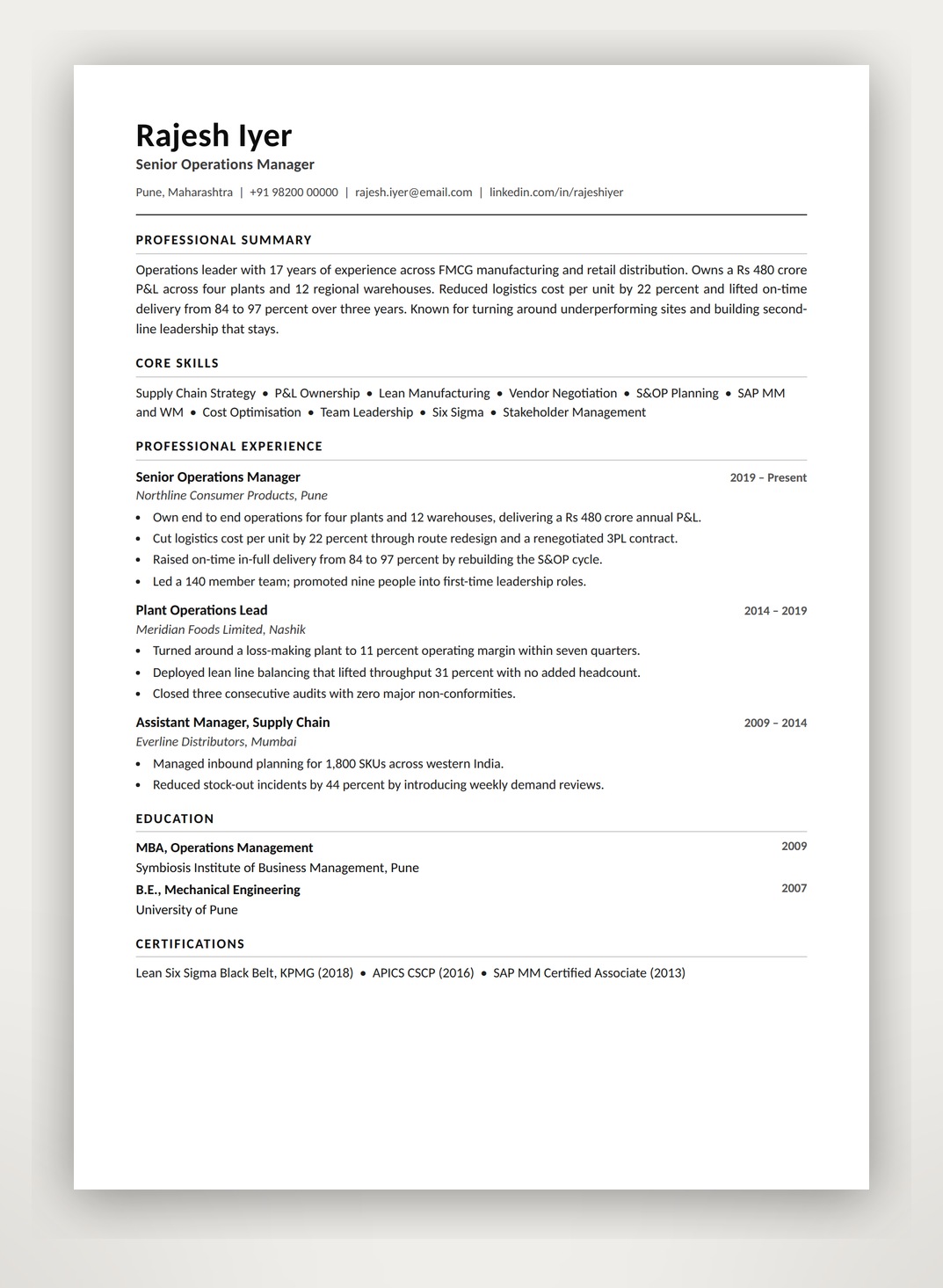
Every project has a single most important job. Getting past the ATS. Stopping the scroll. Explaining a complex product simply. If you tell us the one thing that has to succeed, we can make sure everything serves it, and make the right trade-offs when two good options compete.
The takeaway
A good brief is a short act of clarity that saves hours of guessing. Goal, audience, taste, constraints, and the one thing that matters most. Send those five things and you will get work that is closer to right on the first pass, and better by the last.